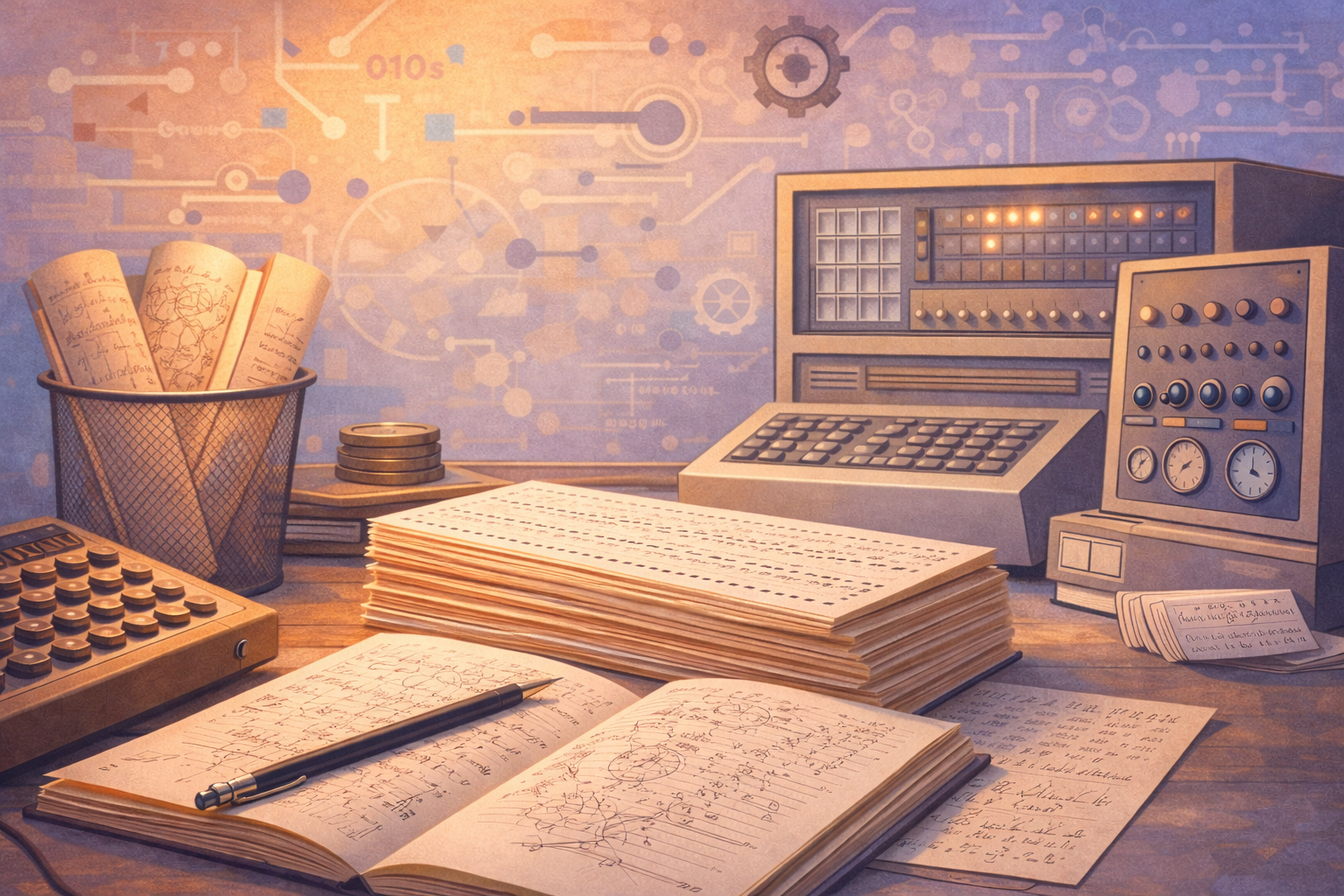
.HOW IT STARTED.
Early Foundations of Coding and Technology
Coding is the language that allows humans to communicate with machines. It transforms ideas, logic, and creativity into instructions that computers can understand and execute. Technology, at its core, is not about devices, but about problem-solving, systems, and human imagination.
The foundations of coding and modern technology were laid long before smartphones and the internet. Early pioneers explored how machines could calculate, store information, and follow logical steps. Among these pioneers were thinkers who envisioned algorithms before computers existed, transformed complex code into human-readable languages, and imagined new ways for information to travel wirelessly.
The work of figures such as Ada Lovelace, Grace Hopper, and Hedy Lamarr helped shape the principles behind today’s software, programming languages, and digital communication. Their ideas continue to influence how technology is built, used, and understood in the modern world.
.PIONEERS.
Women Who Shaped Technology
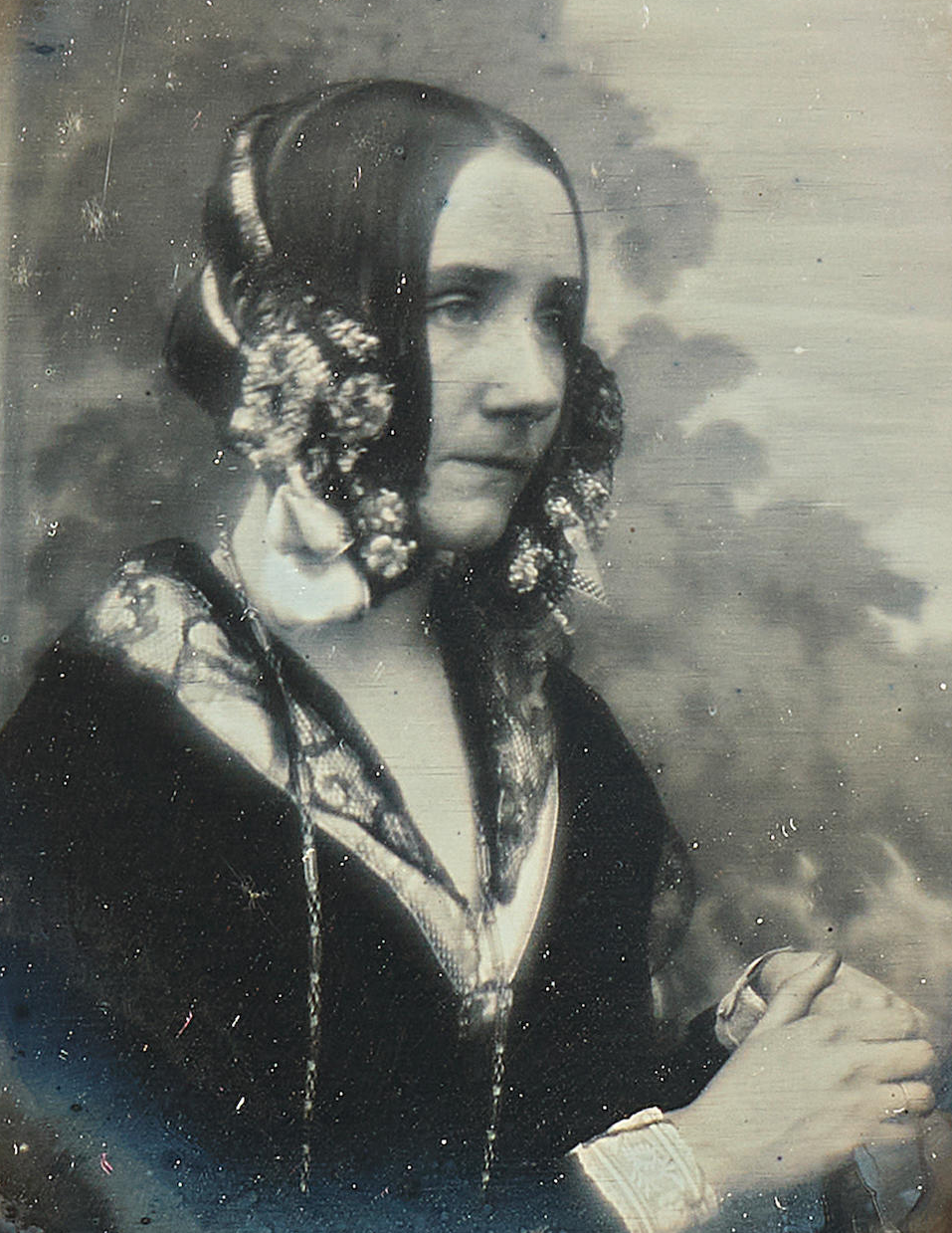
Daguerreotype by Antoine Claudet (1843)
Discover the Science Museum (UK)Ada Lovelace
1815–1852
Considered one of the first computer programmers, she worked on Charles Babbage’s Analytical Engine. She described how a machine could follow instructions to perform complex tasks.
Key contribution
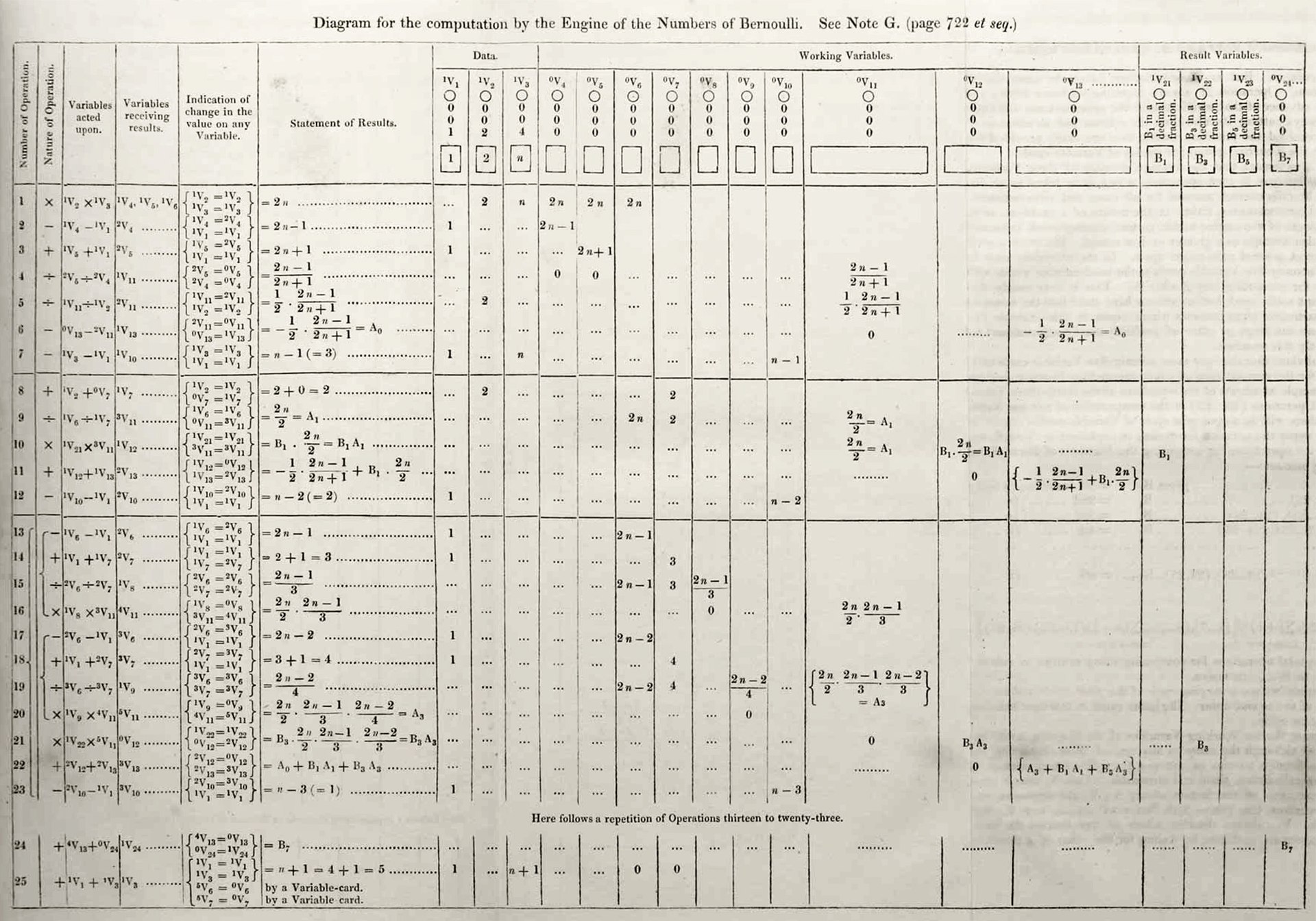
Algorithm design: She wrote the first known algorithm intended for a machine, imagining how computers could go beyond calculations to create music through programmable instructions. Her work showed that machines could follow steps to solve complex problems.
Why it matters today
Her vision introduced the idea that machines could manipulate symbols and ideas, forming the conceptual foundation of modern programming. She anticipated that computers could move beyond calculation to creativity.
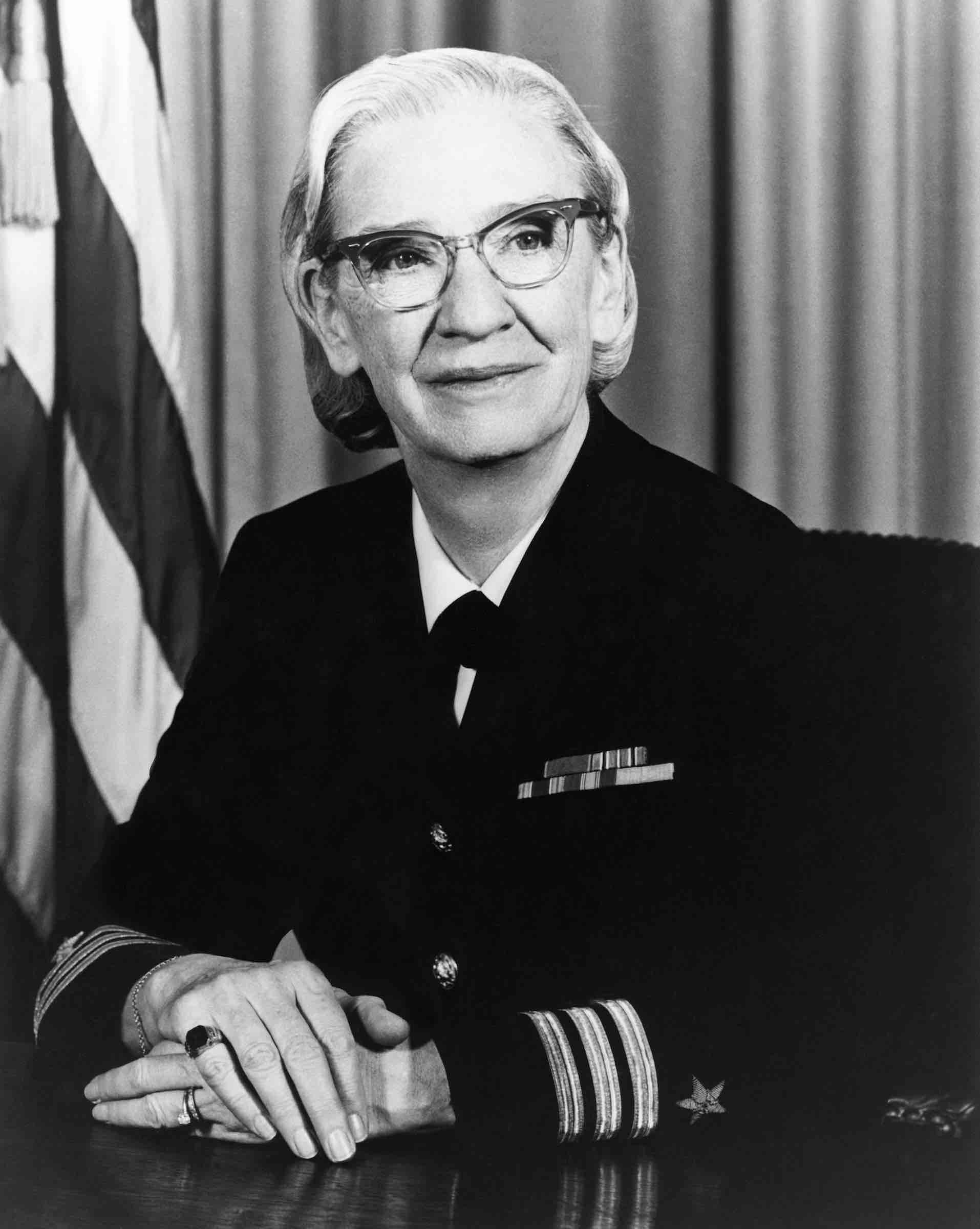
Photo from the U.S. Navy National Archives (c. 1984)
Discover the Computer History Museum (USA)Grace Hopper
1906–1992
A computer scientist and U.S. Navy rear admiral who played a key role in making programming accessible and practical. Her work helped shape how software is built and maintained at scale.
Key contribution
Programming languages & compilers: She helped develop the first compiler and was instrumental in creating COBOL, one of the earliest high-level programming languages. This made complex systems easier to write, test, and evolve.
Why it matters today
Her work allowed programmers to write code using words instead of machine instructions, shaping how most modern programming languages work today. She laid the groundwork for scalable systems and engineering practices.
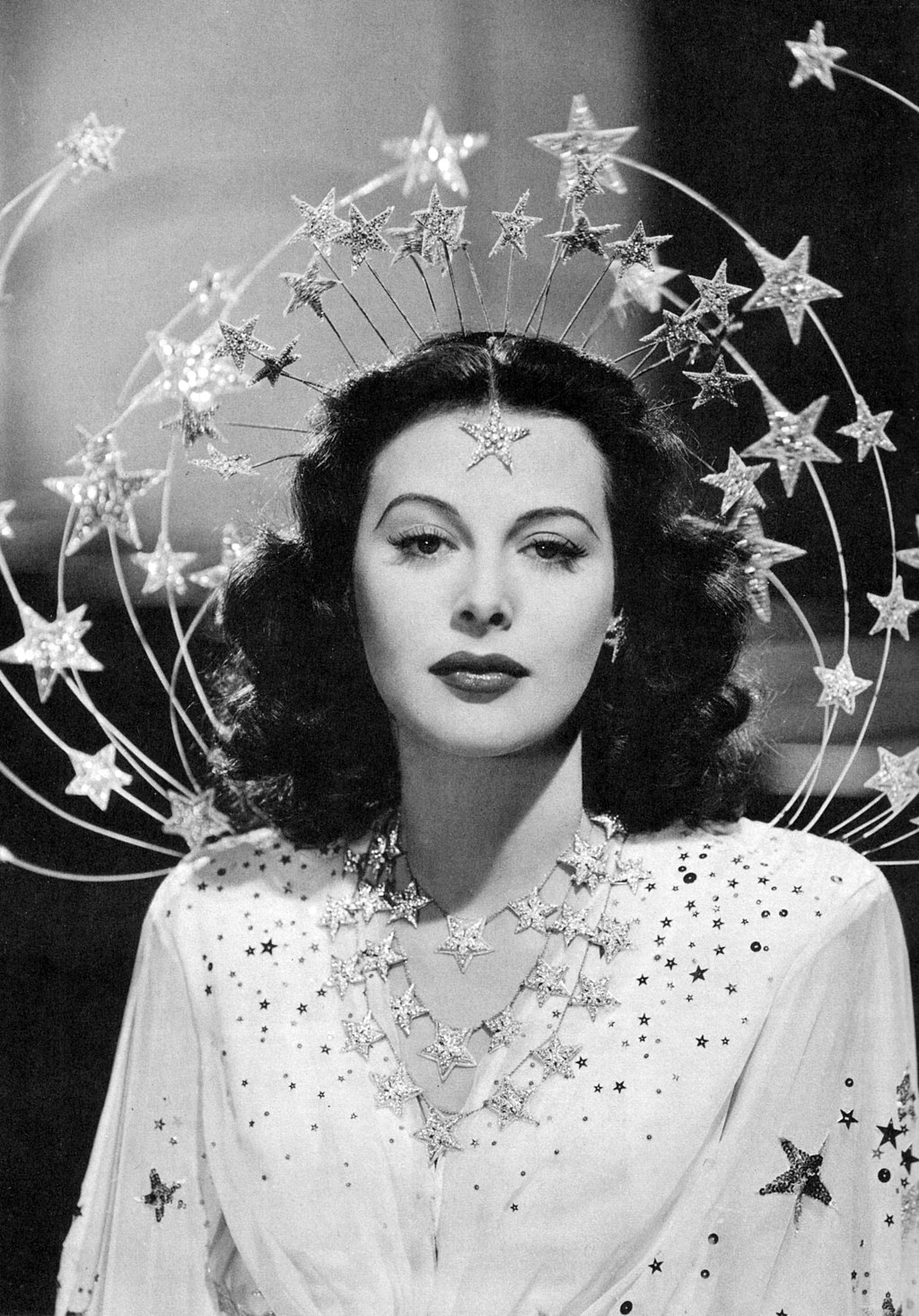
Studio publicity for the film Ziegfeld Girl (1941)
Discover the National Inventors Hall of Fame (USA)Hedy Lamarr
1914–2000
Known as a Hollywood actress, she was also a self-taught inventor with a deep interest in engineering. Her ideas helped push technology beyond entertainment and into real-world impact.
Key contribution
Wireless communication: She co-invented frequency-hopping technology during World War II, inspired by the synchronised mechanics of a player piano, to enable secure radio transmission. It was a visionary approach to signal security.
Why it matters today
This invention became a foundation for modern wireless technologies such as Wi-Fi, Bluetooth, and GPS, shaping how devices communicate. It is a reminder that great innovation often comes from unexpected places.
.THEIR MINDS.
Discover Their Journeys and the Inventions They Created
Ada Lovelace
Ada’s first published Computer Algorithm for the Analytical Engine
Grace Hopper
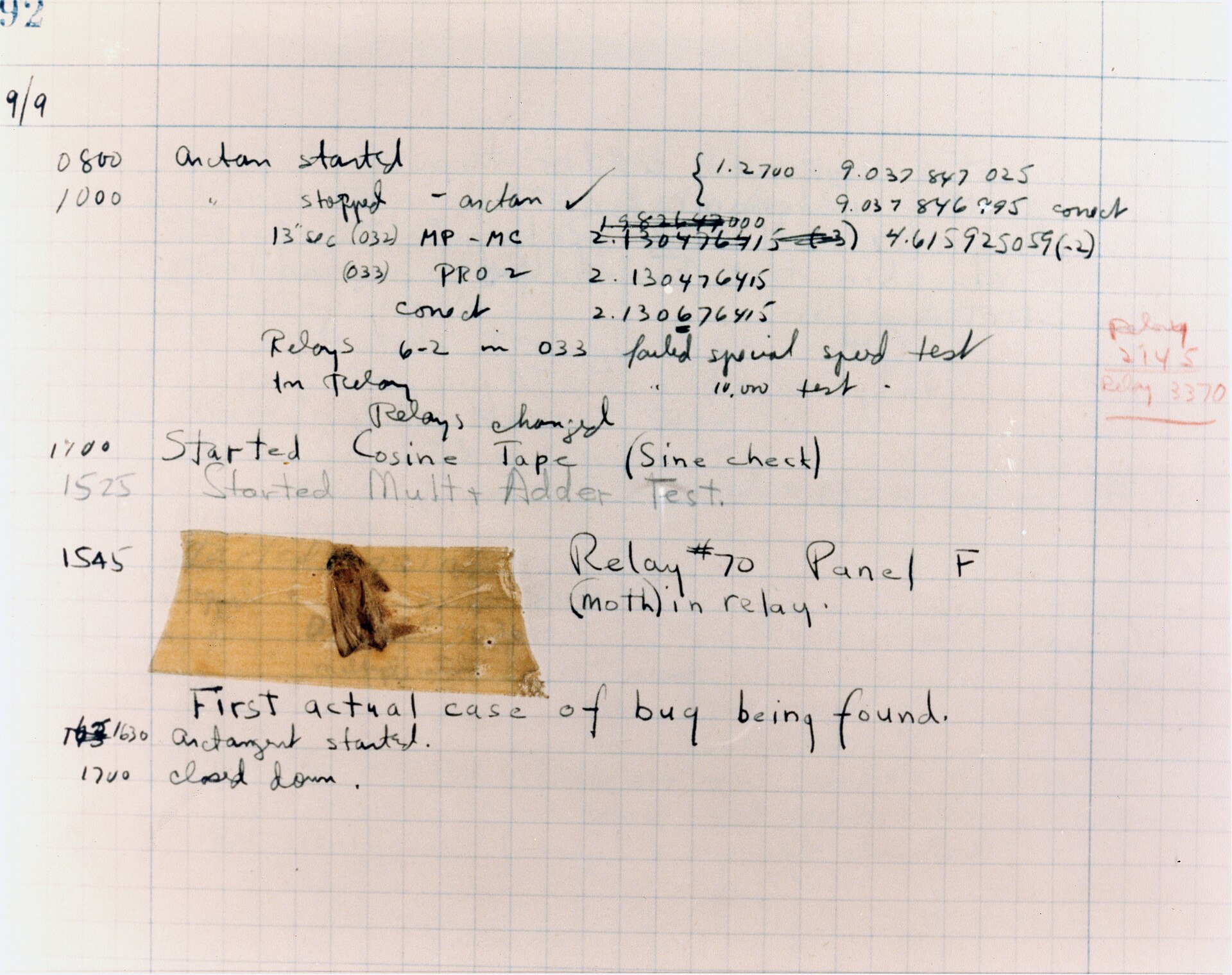
The “First Computer Bug” found by Grace that Gave Debugging Its Name
Hedy Lamarr
Hedy’s Frequency-Hopping Patent - "Secret Communication System"
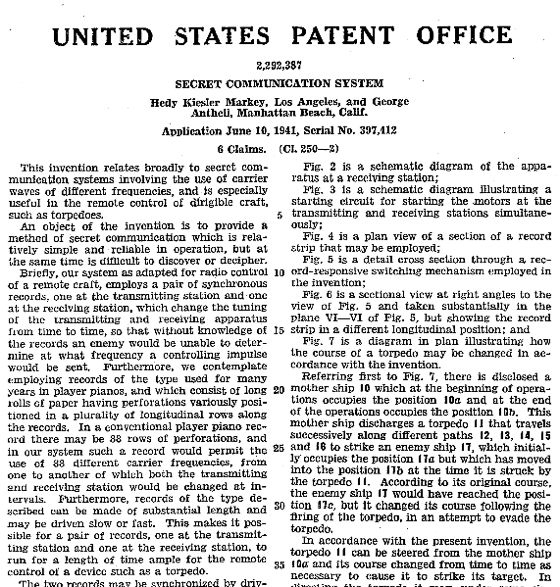
U.S. Patent for "Secret Communication System" by Hedy Lamarr & George Antheil (1941)